
Compatibility During Flexible Circuit Board Manufacturing
lexible circuit boards are a cost-effective, reliable solution for electronic products that require rigid board space and high reliability. They can be creased, bent and folded to fit in places where traditional wires or rigid boards cannot. They also offer a variety of benefits that can help to increase a product’s functionality and lifespan, including improved assembly times, reduced production errors, increased mounting capabilities and lower weight.
A flex circuit is made up of a flexible base, conductive pathways that guide electricity and insulating layers that maintain the integrity of the board. This layered structure is essential to a flex circuit’s functionality. It allows it to withstand different types of stresses, such as rapid movement and high pressures that can cause other rigid boards to warp.
During the design process, manufacturers use a special material called polyimide to construct a flex circuit. They also incorporate rigid components like FR-4 and polyamide stiffeners in areas of the board that need more support. They can also use adhesives to secure a component, which requires careful consideration because it’s important that the glue doesn’t compromise the overall reliability of the circuit board.
To ensure that the components in a flexible circuit board manufacturers are compatible, designers must verify them for compatibility during the manufacturing process. This step is crucial because any incompatibilities can lead to electrical failures and other problems. A good way to do this is by using a specialized software program that allows a user to simulate a circuit. This helps to avoid costly mistakes and ensures that a final product will function as intended.
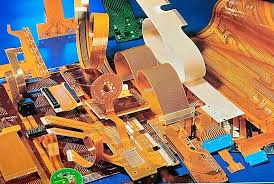
How Are Components Verified For Compatibility During Flexible Circuit Board Manufacturing?
Rigid and flexible printed circuits are used in a wide range of devices, from mobile phones to cars and rockets. Many of these products need to be small, lightweight and portable. In addition to their portability, they must be able to withstand harsh environments and changing temperatures. For example, a smartphone may be used outdoors and on the go while a car will experience a lot of heat and vibration during driving. Conventional boards are often too large and heavy to be useful in these situations.
The ability of a flex circuit to adapt to changing conditions is one of its greatest benefits. In addition to their flexibility, flex circuits are also lightweight and take up less space than rigid circuits. This makes them ideal for electronic devices that must remain small and portable, such as smartphones and tablets. They can also be molded into the core product to reduce their size even further.
Besides offering the flexibility of a flex circuit, manufacturers can also add additional features to it. These extras can include a heat sink to dissipate excess heat, a shielding layer to protect against electromagnetic interference and advanced impedance control to minimize signal switching speeds.
It’s crucial to find a manufacturer that can provide a full range of services for a flex PCB, from prototyping to assembly and production. RayMing PCB and Assembly is a great option for this, as they offer flexible PCBs with a wide range of custom designs, materials and layer counts.