
How Does a Flex PCB Supplier Support Rapid Prototyping?
Rapid prototyping is an essential phase in the development of flexible printed circuit boards (Flex PCBs), allowing engineers to quickly test and validate their designs before moving to full-scale production. A flex PCB supplier plays a key role in supporting this process by offering fast turnaround times, specialized tools, and expert guidance throughout the prototyping phase. By enabling quick iterations and testing, the supplier helps companies reduce time-to-market, minimize design errors, and optimize their final product.
Here’s how a flex PCB supplier supports rapid prototyping:
1. Quick Design Iterations and Feedback
One of the most significant ways a flex PCB supplier supports rapid prototyping is by facilitating fast design iterations. In the early stages of prototyping, designers often need to tweak their designs based on initial tests and feedback. A supplier experienced in flex PCB manufacturing can expedite this process by offering short lead times for prototype production. They can quickly produce small batches of PCBs, allowing engineers to identify and address issues such as signal integrity, flexibility, and component placement.
Through direct collaboration with the supplier, engineers can receive valuable insights and suggestions regarding material selection, design layout, and manufacturability. This expert input helps avoid costly mistakes that might arise later in production, thus accelerating the prototyping cycle.
2. Advanced Prototyping Equipment and Technology
A flex pcb supplier utilizes specialized equipment that enables the efficient production of high-quality prototypes. Advanced machinery such as laser cutting, precision etching, and automated soldering are often employed to create highly accurate and functional flex PCB prototypes in short order.
For example, a supplier may use laser direct imaging (LDI) or computer numerical control (CNC) machines to quickly etch intricate trace patterns and layers on flexible substrates. These technologies allow the supplier to create fine-featured circuits with minimal setup time, making it possible to produce a functional prototype much faster than traditional methods.
By leveraging these advanced tools, a flex PCB supplier can offer prototype designs with a high level of precision and reliability, crucial for testing and validating electrical performance, thermal management, and bending resistance in real-world applications.
3. Material Selection and Customization
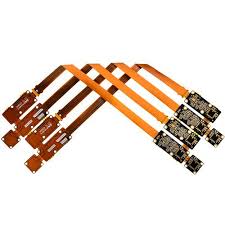
In rapid prototyping, the choice of materials is critical to ensuring that the flex PCB prototype meets the required specifications. Flexible PCBs often use substrates such as polyimide or polyester, which need to be chosen based on factors like flexibility, thermal performance, and electrical properties. A flex PCB supplier provides guidance in selecting the most appropriate material for the prototype’s intended application.
For more specialized projects, the supplier can also offer customized materials or specific layer configurations. For example, if the prototype requires more durability or higher flexibility for a specific application like wearable technology or automotive devices, the flex PCB supplier can source and provide tailored materials to meet these needs. This capability helps engineers optimize their designs early on and avoid costly adjustments later.
4. Prototype Testing and Validation
Once the initial prototype is produced, it undergoes testing to ensure that it meets electrical, mechanical, and thermal requirements. A flex PCB supplier typically offers various testing services, such as electrical continuity testing, impedance control, and mechanical stress testing, which are crucial for validating the design before full-scale production.
During this phase, the supplier can quickly identify any issues related to trace width, material defects, or component placement that may affect the functionality of the PCB. This rapid feedback loop allows engineers to make necessary revisions promptly, ensuring that the final design performs optimally in its intended application.
Additionally, the flex PCB supplier often provides prototype design support to help troubleshoot any issues that arise during testing. With this expertise, the supplier helps to fine-tune the design to meet both technical requirements and performance goals.
5. Low-Cost, Small-Scale Production Runs
Flex PCBs often require smaller production volumes during the prototyping phase, as the design undergoes multiple iterations before final approval. A flex PCB supplier is equipped to handle low-volume production runs, which helps keep costs down while still ensuring high-quality prototypes. Instead of committing to expensive, high-volume manufacturing, companies can order small quantities of PCBs, allowing them to test their designs without significant financial risk.
This flexibility in production volumes allows for the testing of different configurations or materials across multiple prototype iterations, without incurring the significant upfront costs associated with large-scale production.
6. Design Optimization and Collaboration
A flex PCB supplier provides value-added services during the prototyping process by helping optimize designs for manufacturability. The supplier’s engineers can offer design suggestions that enhance the performance, durability, and overall functionality of the Flex PCB. This might include recommending changes to the layout to improve trace routing, ensuring components are placed in stress-free areas, or advising on the best materials for the prototype’s environmental conditions.
The ability to collaborate closely with the supplier’s team helps streamline the prototyping process, reducing the number of revisions needed and speeding up the time to market. These collaborative efforts ensure that the final prototype is both functional and cost-effective.
Conclusion
Rapid prototyping for Flex PCBs is a vital step in bringing innovative electronic designs to life. By supporting quick design iterations, utilizing advanced prototyping equipment, offering material selection advice, conducting thorough testing, and providing low-cost production runs, a flex PCB supplier plays an essential role in this process. Their expertise not only accelerates the development cycle but also helps optimize the final product for both performance and manufacturability. Whether you’re designing for wearable tech, medical devices, or automotive electronics, working with an experienced flex PCB supplier ensures that your prototypes are produced efficiently and to the highest standards, allowing for faster time-to-market and successful product launches.