
connectors are used with fpc pcb
The type of connector used with fpc pcb is critical to the functionality and reliability of the overall electronic device. The connector must be able to transmit data and power with efficiency, while also being robust and durable enough to withstand use. Several types of connectors are available, each with its own specific advantages and capabilities. For example, a rigid-flex connector can combine both rigid and flexible circuitry to create versatile connections in a compact package, while a ZIF connector offers an easy-to-use interface that minimizes the amount of pressure exerted on the delicate conductive traces.
PCB connectors are typically designed with a variety of contact sizes and shapes, including pin, receptacle, card edge, solder tab, and centerline options. They can be surface mount or through-hole, with a variety of locking mechanisms. Many also include strain relief components to prevent damage due to environmental or mechanical stress. They also come in a wide range of pitches, which can vary from around 0.3mm to 2.54mm (0.012 inches to 0.1 inch).
A flex-to-board connector is used to mate ribbon-type flat flexible cables or FPCs with printed circuit board circuitry. They can be inserted into fpc pcb or other types of devices, such as a chassis or housing. FPC connectors can be made from a variety of materials, including plastic, polymer, and engineered rubber. They also have a narrow form factor that makes them ideal for tight spaces. Some are shielded to help control EMI interference.
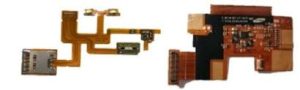
What types of connectors are used with fpc pcb?
Other FPC connectors can be used for board-to-board or cable-to-board applications. These connectors feature floating or self-aligning features to ensure proper mating and alignment even in situations where there is a small degree of misalignment between the two components. They can also support high-speed data transmission, making them suitable for a variety of electronic devices.
A mezzanine connector can establish vertical or parallel interconnections between two separate PCBs. It can be used in industrial computer architectures to provide high-density cabling and facilitate hot swapping of cards. It can also support multiple protocol standards such as Gigabit Ethernet, Fast Ethernet, and SATA. These connectors are also available in a variety of pitch, width, and height options.
Another common type of PCB connector is the pin header connector, which consists of rows of pins that can be arranged in straight, right-angle, or surface-mount configurations. They are commonly used in PCBs with high density or multi-layer designs. They can also be used in flex or rigid-flex PCBs.
Other types of connectors that can be used with fpc pcb include USB connectors, which enables connection of peripheral devices to a computer or laptop. They can also be used to connect audio and video devices to a monitor. These connectors are often used in laptops, tablets, smartphones, and other mobile electronic devices. They have a small footprint and high speed, which allows them to transfer large amounts of data quickly. Many of these connectors are made using the Surface Mount Technology process, which enables faster assembly and improved consistency.